The Heights of Reality
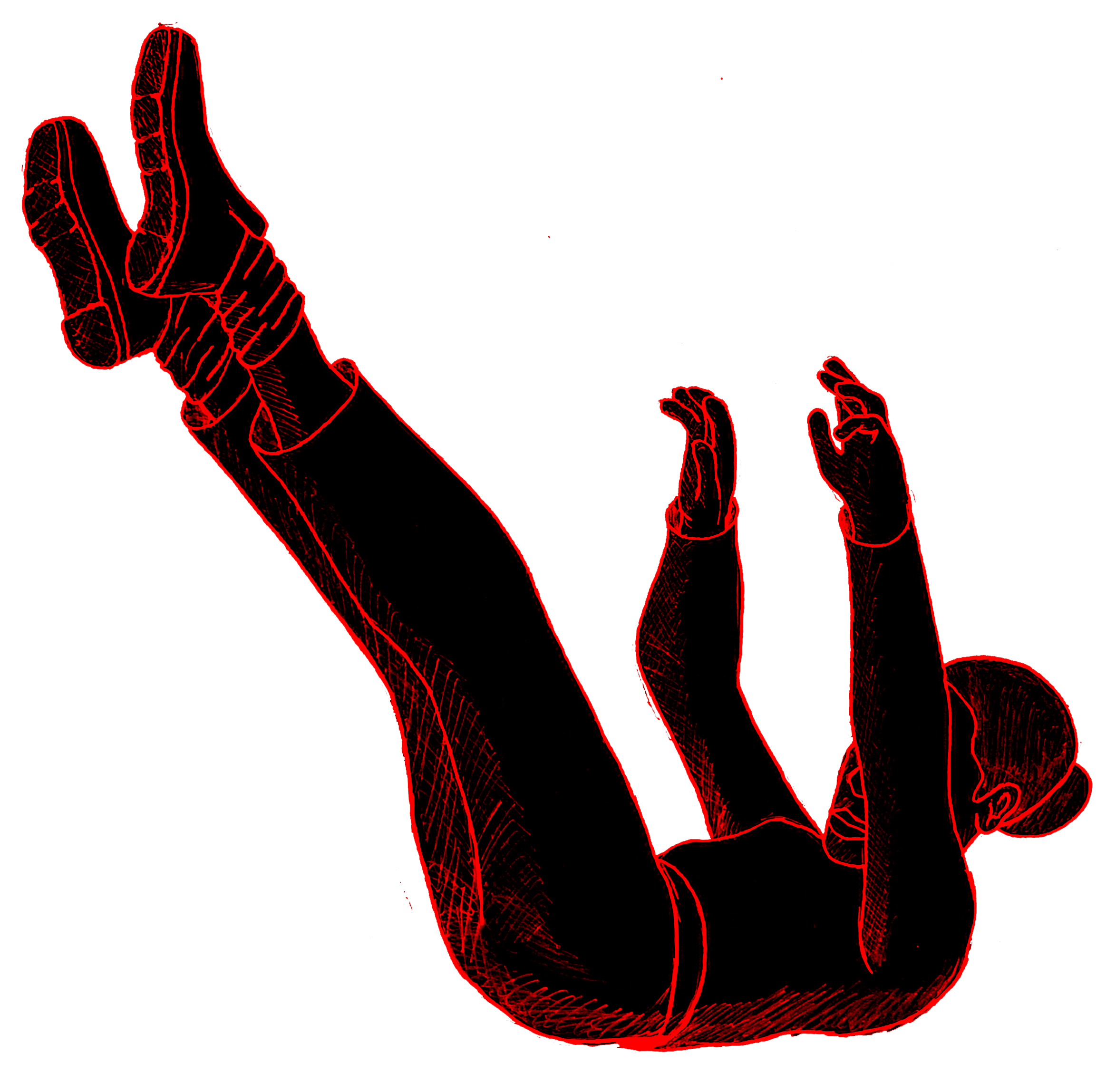
What if a being of infinite awareness were forced to live in a limited human body indefinitely?
Would the psychological claustrophobia be torture?
Or would the reduction of unlimited experience to human confines spur a new understanding of the meaning of existence itself?
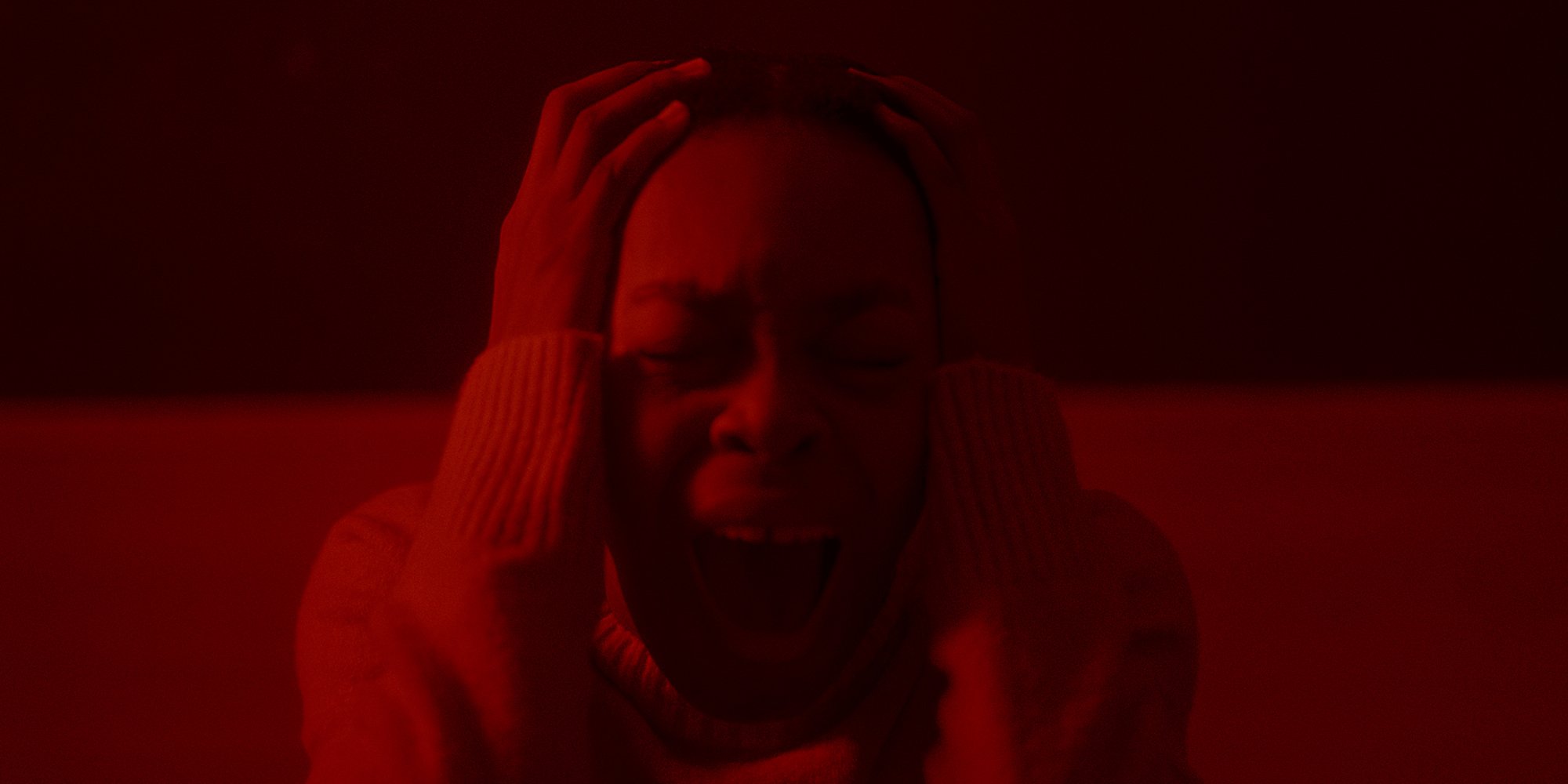
These are just some of the heady philosophical questions raised by the alien thriller The Infinite Husk. A species of beings with unlimited consciousness banishes one of their own to Earth, which forces the exiled member to take over a person’s body, like a possessing spirit. Death is the only way to enter a body, and death is the only way to leave it, so the being travels from one fragile human “husk” to the next, in a kind of extraterrestrial reincarnation.
The banished scientist, Mauro (Circus-Szalewski) has resided on earth for thousands of years and has hopped between almost as many bodies, over time coming to appreciate the unique perspective an individual human point of view gives him—especially the magic trick of language. As Mauro tells a member of his race who has sought him out, Vel (Peace Ikediuba), when you use language to describe a thing, you must create it in your mind; you cannot control it.
If the universe lacks it, the mind will create it, which he calls a…

“measurable impact on the physical made by a thought.”
This observation leads him to conclude that imagination is a container for reality, like a water glass is to the ocean. “What if humans had a more complete language? Then they could conjure anything,” he muses. The cosmic transformational power potentially derived from unpacking this fact makes Mauro threatening, and his species has tasked Vel with monitoring and then destroying his research. Yet, he must pursue the knowledge wherever it may go, for, he says, “truth is the burden of the job.”
Keeping with the enduring strands of science fiction that use the genre to explore the complex nature of human beings and reality itself, The Infinite Husk allows its simple set up to examine and debate the promise and pitfalls of human existence.
The theme of escaping the limitations of the human body and consciousness runs throughout the film. Unlike for ordinary people, bodily death is no end for these aliens, and that is a unique kind of pain only they can experience.
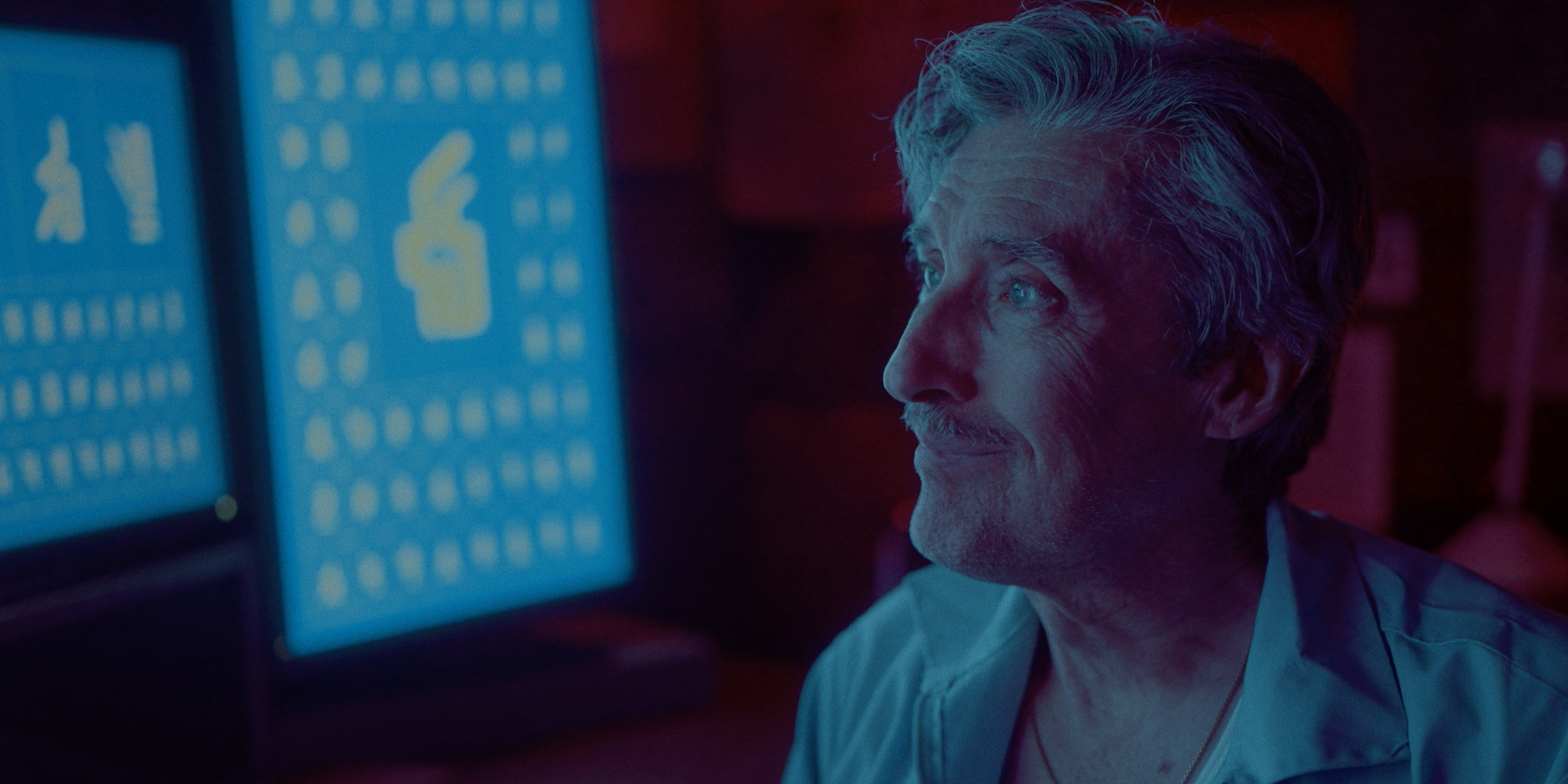
“When I die, it’s the only time I feel like myself,” says Mauro. “For a brief moment, I can see home.”
Like all of us, he uses his mind and the tools at his disposal to create a better existence for himself, just at a level that may change, or even destroy, existence itself. This risk comes across as revenge against his species for his exile. “What do you call a being who’s everywhere and sees everything. A being that knows when you’re scared and alone. A being that can be anyone and do anything but chooses to do nothing. I call that being ‘useless’,” and I don’t need useless things.” Mauro’s rant echoes the arguments that have long been made about the Western conception of an omniscient, omnipresent, and omnibenevolent God overseeing a brutal, tragic world: either such a deity does not exist, or it is irrelevant that they do.
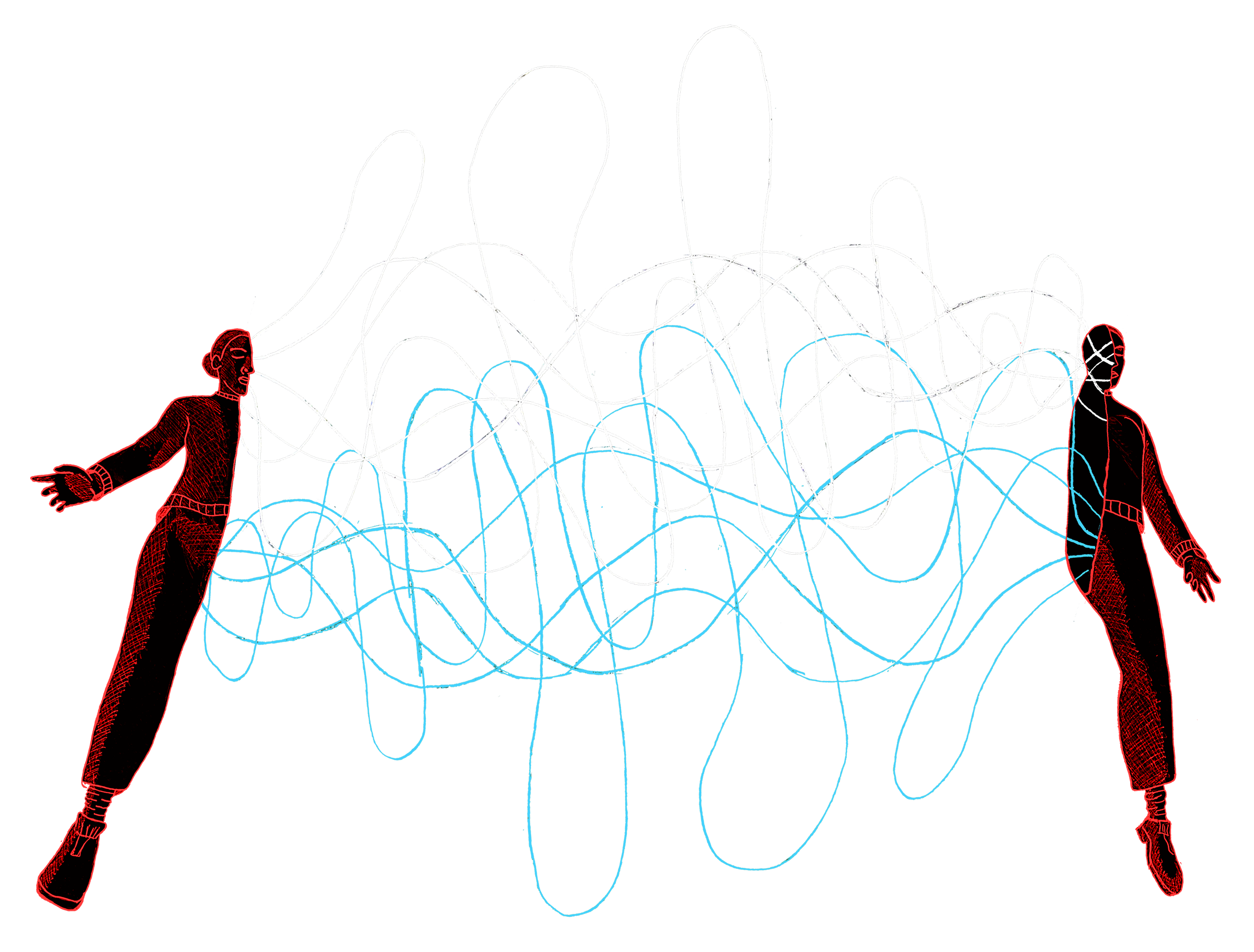
The title The Infinite Husk perfectly captures the paradox at the heart of humanity: that we are fragile, limited creatures who also can imagine the greatest heights of reality, and thereby seek to actualize it, bringing it into being. Far too seldomly do we remember this for ourselves, but seeing ourselves through literal alien eyes, as this film helps us do, gives us a glimpse into how much larger we can imagine ourselves to be.
This piece has been edited from the original:
Daschke, Dereck (2025) "The Infinite Husk," Journal of Religion & Film: Vol. 29: Iss. 1, Article 71. DOI: https://doi.org/10.32873/uno.dc.jrf.29.01.71 Available at: https://digitalcommons.unomaha.edu/jrf/vol29/iss1/71